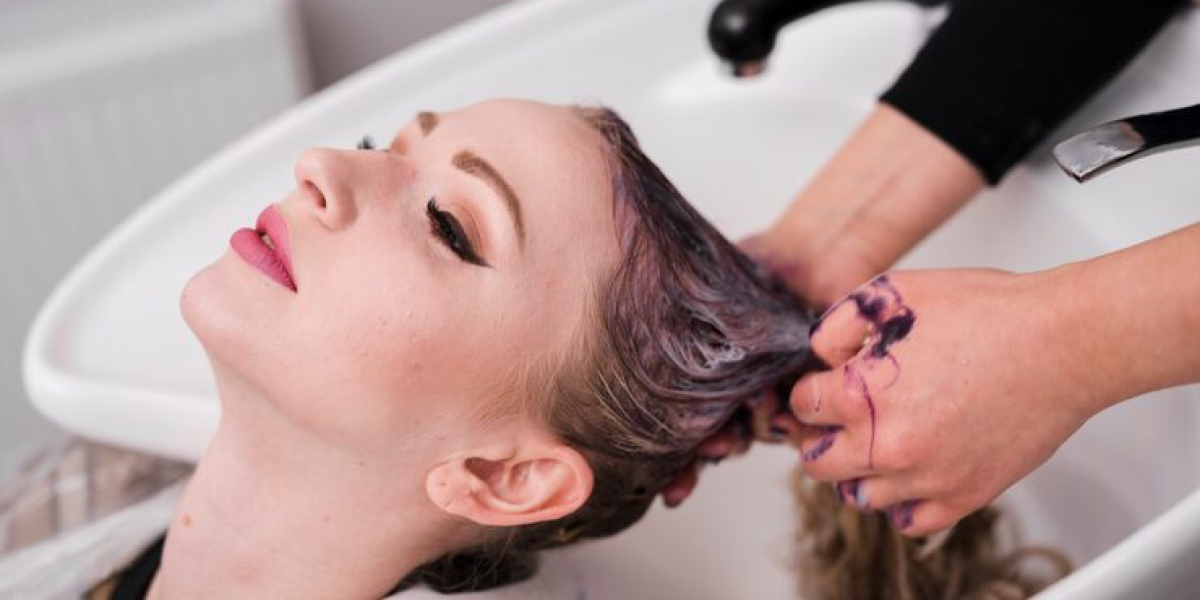

Achieving healthy hair starts with a healthy scalp. In fact, a well-maintained scalp is essential for promoting hair growth, preventing hair loss, and keeping your strands strong and vibrant. Scalp treatments have become increasingly popular for individuals looking to revitalize their scalp and hair, and the good news is that you don’t have to visit a salon for an effective scalp treatment. With a few key ingredients and some basic steps, you can easily create your own DIY scalp treatment at home.
Whether you're struggling with dry scalp, dandruff, or the need for overall hair repair treatment, this guide will provide you with the essential tools and methods you need. Let's dive into how you can take control of your hair’s health with some natural, simple, and cost-effective scalp treatment practices.
Why Scalp Health Matters
Your scalp plays a crucial role in the overall health of your hair. It's where hair follicles are rooted, and when your scalp is not in good condition, it can impact hair growth and even lead to thinning or hair loss. Common scalp issues like oil buildup, dandruff, or a dry, itchy scalp can make it difficult for your hair to thrive. By giving your scalp the care and attention it needs, you can prevent many of these issues.
A proper scalp treatment helps to cleanse, hydrate, and stimulate the hair follicles, promoting better blood circulation and strengthening your hair. An essential aspect of DIY scalp treatments is the use of natural ingredients that nourish and restore the scalp’s health. These treatments not only help with hair repair but also prevent future damage.
Step 1: Choose the Right Ingredients for Your Scalp Treatment
Before starting your DIY scalp treatment, it’s important to choose ingredients that are tailored to your specific scalp needs. Below are some common ingredients used in homemade scalp treatments:
Essential Oils for Scalp Rejuvenation
Essential oils such as tea tree oil, peppermint oil, and lavender oil are known for their antifungal, antibacterial, and soothing properties. Tea tree oil, in particular, is effective for treating dandruff and oily scalp issues. Peppermint oil promotes circulation to the scalp, encouraging hair growth and reducing irritation.
Coconut Oil for Deep Moisture
Coconut oil is a well-loved ingredient for its deep conditioning properties. It helps to lock in moisture, soothe dryness, and prevent split ends. When used on the scalp, it helps restore the skin’s natural oils, especially if you have a dry, flaky scalp.
Apple Cider Vinegar for Scalp Detoxification
Apple cider vinegar is known for its ability to clarify the scalp by removing buildup from styling products, oils, and environmental pollutants. It helps to balance the scalp’s pH levels, making it ideal for those with oily or dandruff-prone skin.
Aloe Vera for Soothing
Aloe vera is excellent for soothing an irritated or inflamed scalp. It is full of vitamins and minerals that promote healthy skin and hair. Aloe vera is a great option if you’re experiencing a sensitive scalp or mild scalp burns.
Step 2: Prepare Your Scalp Treatment Mixture
Now that you've chosen your ingredients, it’s time to mix them together to create your scalp treatment. Here’s a simple recipe for a basic scalp treatment:
DIY Coconut Oil and Essential Oil Treatment
2 tablespoons coconut oil
5 drops tea tree oil or peppermint oil
1 tablespoon aloe vera gel (optional for added moisture)
Directions:
Warm the coconut oil slightly in a microwave or in a bowl over hot water.
Once melted, add the tea tree oil or peppermint oil.
Stir in the aloe vera gel if you wish to enhance the soothing effect.
Apply the mixture evenly to your scalp using your fingertips or a brush.
Massage the treatment gently into your scalp, making sure to reach every section. Allow it to sit for at least 30 minutes to one hour. You can even leave it on overnight for a more intensive treatment.
Step 3: Massage for Maximum Benefits
Massage is one of the most important steps in a scalp treatment. Not only does it help distribute the treatment evenly, but it also boosts blood circulation to the hair follicles. When massaging, use the pads of your fingers to apply gentle pressure in circular motions. Focus on areas that may be dry or prone to buildup.
A good scalp massage will not only make the treatment more effective, but it will also relax you and promote healthy hair growth. Aim for a 5-10 minute massage to ensure that the oils and ingredients are fully absorbed.
Step 4: Rinse and Cleanse Your Scalp
After letting your treatment sit for the desired time, rinse your hair thoroughly with warm water. Use a gentle shampoo that’s free of sulfates to cleanse your scalp without stripping it of natural oils. You may need to shampoo twice to remove all of the product from your scalp, especially if you're using oils like coconut oil.
After shampooing, follow up with a moisturizing conditioner to lock in moisture and leave your hair feeling soft. It's important to choose a conditioner that complements your scalp treatment and nourishes your hair.
Step 5: Repeat Regularly for Best Results
Consistency is key when it comes to scalp treatments. To see significant improvements in scalp health and hair growth, it’s recommended to perform your DIY treatment once a week. If you're dealing with specific scalp issues like dandruff or excessive oiliness, you can perform the treatment more frequently. Just make sure not to overdo it, as too much oil can clog the pores on your scalp.
As you continue your routine, you’ll notice a reduction in dryness, flakiness, and other common scalp issues. Your hair will also feel stronger, more hydrated, and healthier overall.
Tips for Enhancing Your Scalp Treatment
Stay Hydrated: Drinking plenty of water is essential for maintaining scalp health. Hydrated skin helps prevent dryness and flakiness on the scalp.
Avoid Harsh Chemicals: When selecting products for your hair, try to avoid those with sulfates, parabens, and alcohol, as they can irritate your scalp and damage your hair.
Protect Your Hair: While you're treating your scalp, be sure to protect your hair from damage by limiting the use of heat styling tools and harsh hair treatments.
Conclusion
A DIY scalp treatment is a great way to nourish and repair your scalp, especially when using natural ingredients that are gentle on your skin. With regular care, you can maintain a healthy scalp, prevent hair issues, and encourage stronger, more vibrant hair growth. Remember, the key to success lies in consistency. If you’re looking to repair your hair and give your scalp the TLC it deserves, this step-by-step guide will help you achieve the best results from the comfort of your home.