
Introduction
The marine industry is continuously evolving to meet environmental challenges and economic demands. One of the most effective strategies for improving operational efficiency, particularly fuel consumption, is the adoption of advanced marine insulation technologies. Marine insulation companies have developed innovative materials and solutions to address rising fuel costs, reduce emissions, and enhance overall performance. The introduction of advanced marine pipe insulation and other insulation technologies has made it easier than ever for ship owners and operators to maximize fuel efficiency while minimizing their environmental footprint. These breakthroughs have the potential to revolutionize how vessels manage energy consumption and reduce operational costs.
The Role of Insulation in Marine Fuel Efficiency
Marine fuel efficiency is heavily influenced by the thermal management systems in place. Insulation materials serve as a crucial component in controlling energy loss, maintaining stable temperatures, and minimizing the power required to keep systems operational. Advanced marine pipe insulation, in particular, helps prevent heat dissipation, ensuring that energy is conserved throughout the vessel's infrastructure. With better thermal insulation, ships use less fuel to maintain the necessary operational temperatures, thereby improving fuel efficiency.
When a ship’s fuel consumption is optimized, there are not only direct economic benefits but also environmental ones. By improving insulation across the vessel, marine operations can contribute to a significant reduction in greenhouse gas emissions, which is a growing concern for the maritime industry. This dual benefit makes insulation technologies indispensable in modern marine applications.
Innovations in Marine Insulation Materials
Marine insulation companies have pushed the boundaries of innovation in material science to offer highly effective, durable, and lightweight insulation options. Traditional insulation materials, while effective to a degree, often fell short in terms of long-term performance and energy savings. However, newer, advanced materials such as aerogel and composite fibers have revolutionized marine insulation systems.
Aerogel, known for its exceptionally low thermal conductivity, is one such breakthrough material. It provides excellent heat retention and can withstand extreme environmental conditions, making it ideal for high-temperature marine systems. The use of aerogel in marine pipe insulation has gained traction due to its superior insulating properties, even in smaller, more compact applications where space and weight are critical factors.
Other materials, such as elastomeric foams, have been designed to resist moisture and prevent thermal loss while offering flexibility for easy application in different ship components. These materials, when applied to pipes, ducts, and other critical areas, help ships operate at peak performance with lower fuel consumption.
Benefits of Advanced Marine Pipe Insulation
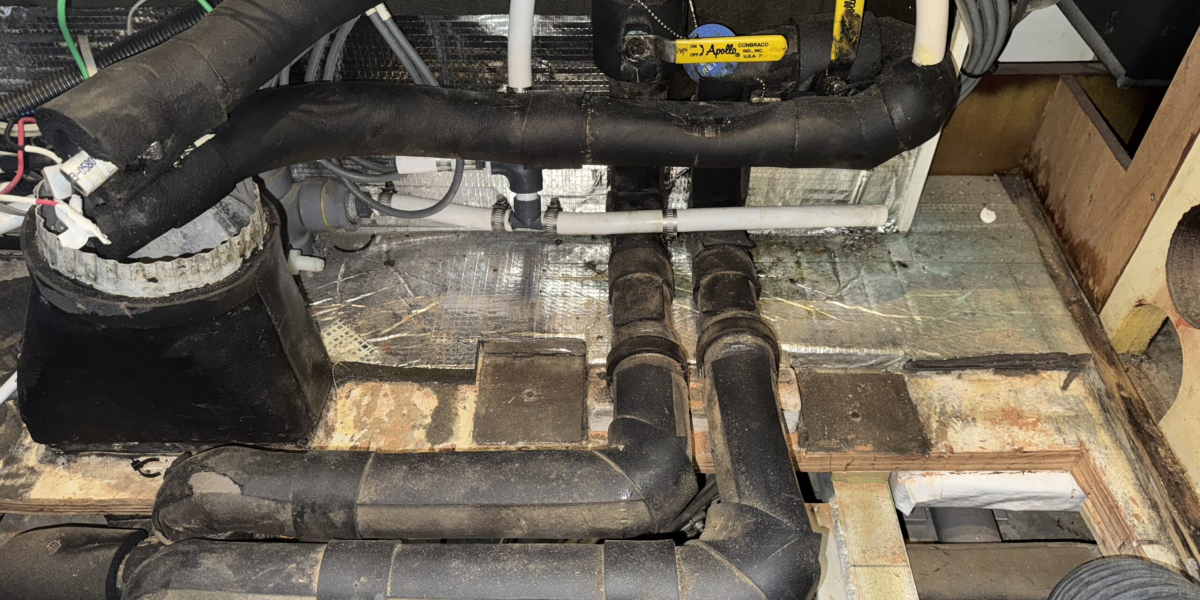
Marine pipe insulation is an essential part of a ship's energy-saving strategy. Heat loss in pipelines can be significant, especially in systems where temperature control is critical, such as steam lines, engine cooling systems, and fuel systems. By insulating these pipes effectively, ships can conserve heat, reduce the energy required to maintain temperatures, and minimize fuel consumption. In addition, the use of modern marine pipe insulation extends the lifespan of pipes by protecting them from corrosion and wear caused by temperature fluctuations.
Another significant advantage is the reduction in maintenance costs. With better insulation, pipes and other components are shielded from excessive heat and moisture, preventing the need for frequent repairs or replacements. The reduction in heat loss also improves operational stability, ensuring that systems run smoothly without unnecessary interruptions or inefficiencies.
Sustainable Impact of Marine Insulation Technologies
As the maritime industry faces increasing pressure to reduce its environmental impact, adopting advanced insulation technologies offers a practical solution. Marine insulation companies are focusing on creating products that not only enhance fuel efficiency but also contribute to sustainability efforts. By reducing energy consumption, ships can lower their carbon emissions, aligning with global environmental regulations and initiatives aimed at achieving carbon neutrality.
The use of environmentally friendly insulation materials has become a focal point of innovation. Materials that are non-toxic, recyclable, and energy-efficient are being developed and incorporated into new marine insulation solutions. These technologies support the maritime industry's transition towards greener practices while simultaneously benefiting ship operators through cost savings and enhanced operational performance.
Conclusion: The Future of Marine Insulation
In conclusion, maximizing fuel efficiency through advanced marine insulation technologies is becoming an essential aspect of modern marine operations. Marine insulation companies are at the forefront of developing solutions that significantly reduce fuel consumption, lower emissions, and improve operational efficiency. The integration of advanced marine pipe insulation and other insulation materials is helping ship owners and operators achieve long-term savings and greater environmental responsibility.
As the demand for more sustainable maritime operations grows, the role of insulation technologies will continue to expand, offering even more innovative solutions to the challenges facing the marine industry. Embracing these technologies not only makes economic sense but also aligns with global sustainability efforts. With advanced marine insulation solutions, the maritime industry is better equipped to face the future with efficiency, performance, and environmental awareness.